
The High Court has ruled that a law firm does not have to compensate an investor for more than £299,800 lost after a Liverpool property development failed, despite finding that the solicitors had provided inadequate advice to a limited extent.
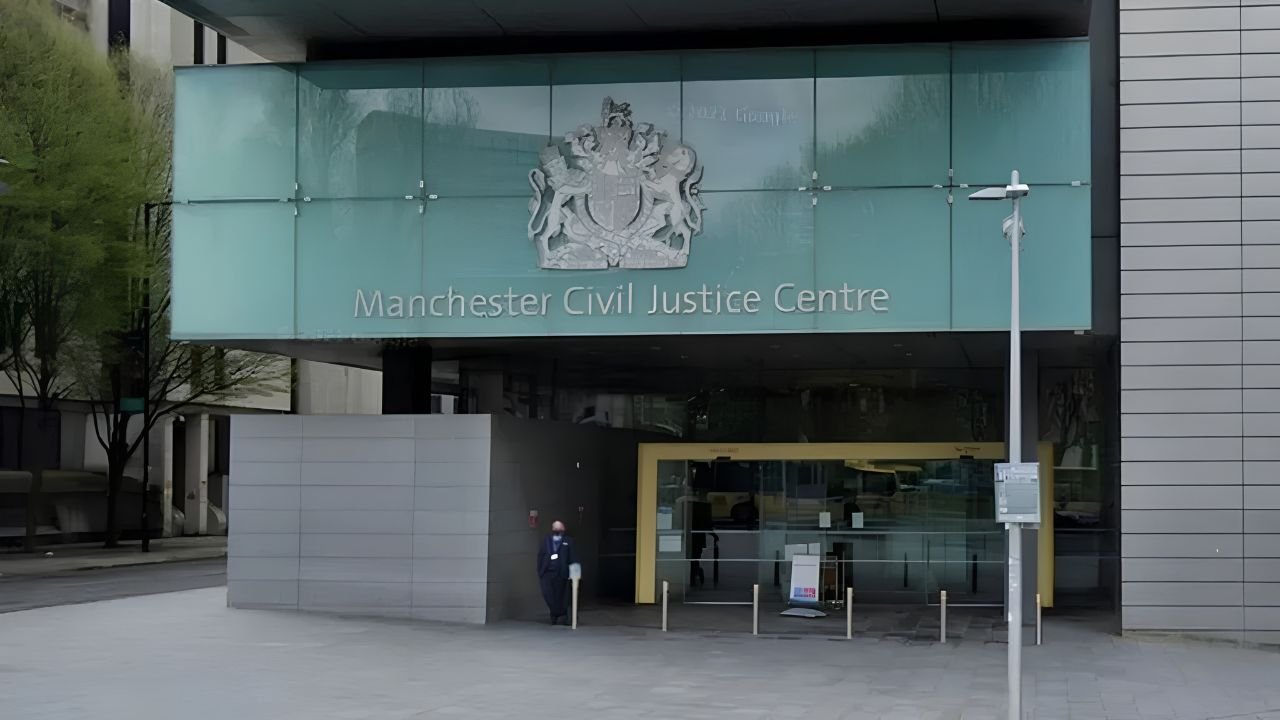
His Honour Judge Hodge KC delivered judgment in Niprose Investments Ltd v Vincents Solicitors Ltd at Manchester Civil Justice Centre on 16 September 2026.
The case concerned Niprose Investments’ purchase of eight units in an off-plan residential development in Liverpool. The company had paid more than £299,800 in deposits, representing half of the purchase price of the properties.
The development was never completed after a finance company that had provided part of the project’s funding entered administration in 2018. Niprose subsequently lost the deposits it had paid.
Vincents Solicitors had acted for Niprose as its conveyancing firm after being introduced to the investor by the developer. Niprose later brought a claim seeking recovery of the deposits, its legal fees and additional damages, arguing that the solicitors had failed to provide appropriate warnings about the transaction.
The claimant argued that there were sufficient warning signs surrounding the investment for the firm to have advised against proceeding. It also argued that there was a significant difference between the security described in the development’s promotional material and the protection actually provided under the contractual arrangements.
Vincents disputed that it had any special duty to advise Niprose not to proceed. The firm argued that it had been retained to provide conveyancing services for an investment property transaction and that neither the nature of the deal nor the circumstances of the claimant created an exceptional obligation to prevent the investment from going ahead.
The judge rejected the claim that Vincents had been required to advise Niprose against entering the transaction. He found that there was nothing known to the firm, or reasonably discoverable by it, that should have indicated that the transaction was a particularly rash or unwise investment.
The court also found that the development did not appear to be a dubious investment scheme disguised as a legitimate property transaction. Instead, the judge concluded that the evidence indicated it was a genuine property investment opportunity that ultimately failed because of the insolvency of its commercial funder.
However, the judge found that Vincents had breached its duty to a limited extent by failing to adequately advise the claimant about the lack of meaningful security or protection attached to the deposits.
That finding did not result in an award of damages because the court concluded that the claimant had not established the necessary legal connection between the inadequate advice and the loss it suffered.
In particular, the court found that the loss of the deposits was not the result of the specific risk about which the solicitors had failed to provide adequate advice. The development had failed because of the insolvency of its commercial funder rather than because the deposits had been improperly dealt with or exposed to the particular risk covered by the firm’s duty.
The judge acknowledged the substantial financial loss suffered by Niprose and praised its director, Ruth Nickoll, as an honest and impressive witness. However, he concluded that the legal principles governing the firm’s duty meant that the claim had to be dismissed.
The case illustrates that establishing a breach of professional duty does not automatically establish liability for every loss subsequently suffered by a client. The court must also determine whether the loss resulted from the particular risk that the relevant professional duty was intended to address.
The judgment therefore left Vincents without an obligation to reimburse the investor for the lost deposits, despite the finding that its advice concerning deposit protection had been inadequate to a limited extent.