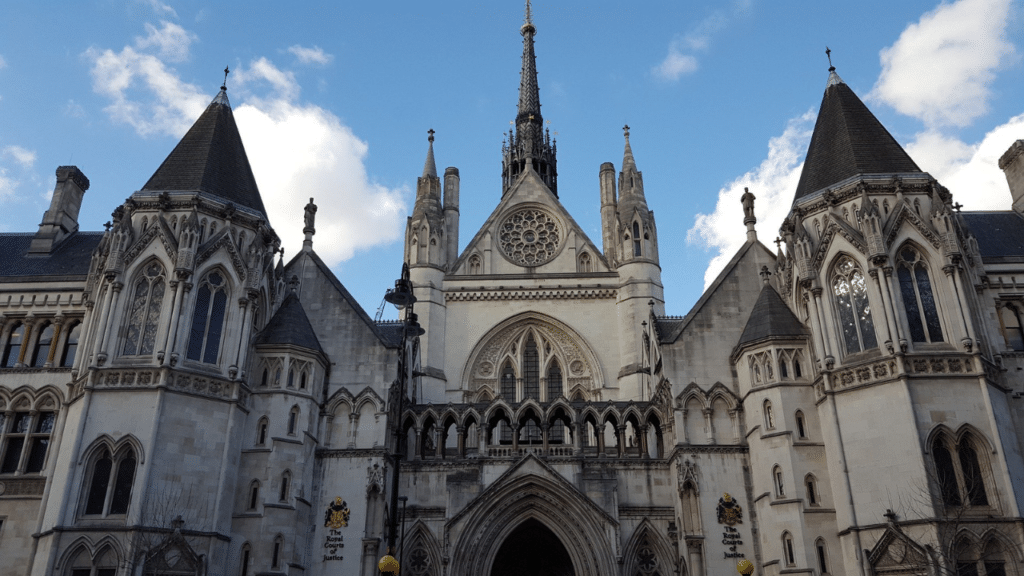


The High Court is considering whether the Solicitors Regulation Authority (SRA) has the legal authority to require solicitors to provide documents protected by legal professional privilege (LPP) when investigating allegations of misconduct.
During the latest hearing, the SRA argued that its investigative powers would be significantly restricted if it were unable to examine privileged material where necessary. The regulator submitted that access to such documents is essential for carrying out effective oversight of the legal profession.
Counsel representing the SRA told the court that the regulator’s powers under Section 44B of the Solicitors Act 1974 are limited in scope and are intended solely for regulatory investigations involving solicitors. According to the SRA, these powers do not allow privileged information to be used against clients or for purposes unrelated to the investigation.
The regulator also emphasised that legal professional privilege remains an important legal protection. It argued that reviewing privileged documents during an investigation does not remove or waive that privilege, and that safeguards are in place to ensure confidential client information is handled appropriately.
The case centres on whether Parliament intended Section 44B to include an implied power allowing the SRA to request privileged material when investigating potential professional misconduct. The SRA maintains that effective regulation depends on being able to review all relevant evidence, particularly where legal advice or client instructions are central to understanding a solicitor’s conduct.
The court also heard that individuals receiving a notice under Section 44B would have the opportunity to challenge the request if they believed legal safeguards or privilege concerns applied.
The proceedings follow a legal challenge over the scope of the SRA’s investigative powers and the balance between maintaining client confidentiality and ensuring effective professional regulation.
The High Court has not yet delivered its decision, and the case remains ongoing.