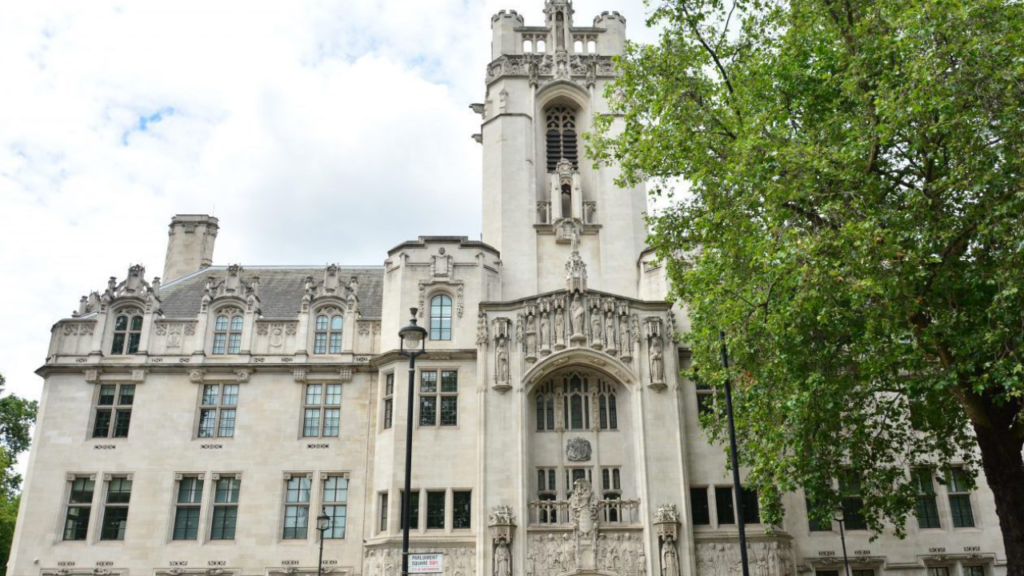
The UK government has set out its position on 180 recommendations from Sir Brian Leveson’s independent review of the criminal courts, outlining measures intended to reduce the Crown Court backlog and improve the administration of justice.
The response comes as the Courts and Tribunals Bill returns to Parliament for its report stage and third reading in the House of Commons. The proposals cover jury trials, magistrates’ sentencing powers, legal aid funding, artificial intelligence and the use of digital systems across the justice process.
Among the measures already announced by Justice Secretary Alex Norris are plans to increase magistrates’ sentencing powers, restrict defendants’ ability to elect a jury trial in certain cases and introduce judge-only trials for some fraud cases. The government has also confirmed that it will not proceed with the proposed Crown Court Bench Division.
The response indicates that the government is considering more regular reviews of criminal legal aid fees. Leveson recommended reviewing these fees annually, while the government acknowledged the potential benefits of a more frequent review process. However, it intends to consider the mechanism after court reforms have been implemented and ongoing funding discussions have concluded, including those concerning additional funding for Crown Court litigation fees.
Changes to criminal legal aid eligibility thresholds are also under consideration. The government says it will be better placed to make final decisions on income limits once the court reforms have been fully implemented, subject to funding and operational considerations.
Artificial intelligence is another area under examination. Work is underway to explore the potential use of AI-generated transcripts of court proceedings, alongside a possible pilot examining how AI could support staff working in HM Courts and Tribunals Service contact centres. These initiatives remain under development, with their implementation dependent on further consideration.
The government has accepted the recommendation to allow prisoner transport vehicles to use bus lanes. It has begun engaging with high-priority local authorities and is working with Transport for London to explore implementation.
A further development is the proposed creation of a single digital justice identification system. The system is intended to provide more consistent monitoring of cases and outcomes throughout the justice process, from arrest and court proceedings to custody and eventual reintegration into the community.
The government’s response illustrates the range of policy and operational changes being considered to address delays in criminal proceedings. While some recommendations have been accepted, others remain subject to further evidence gathering, funding decisions and the implementation of wider court reforms.
As the Courts and Tribunals Bill progresses through Parliament, the practical effect of these proposals will depend on the final legislation, subsequent policy decisions and how the reforms are implemented across the criminal justice system.