
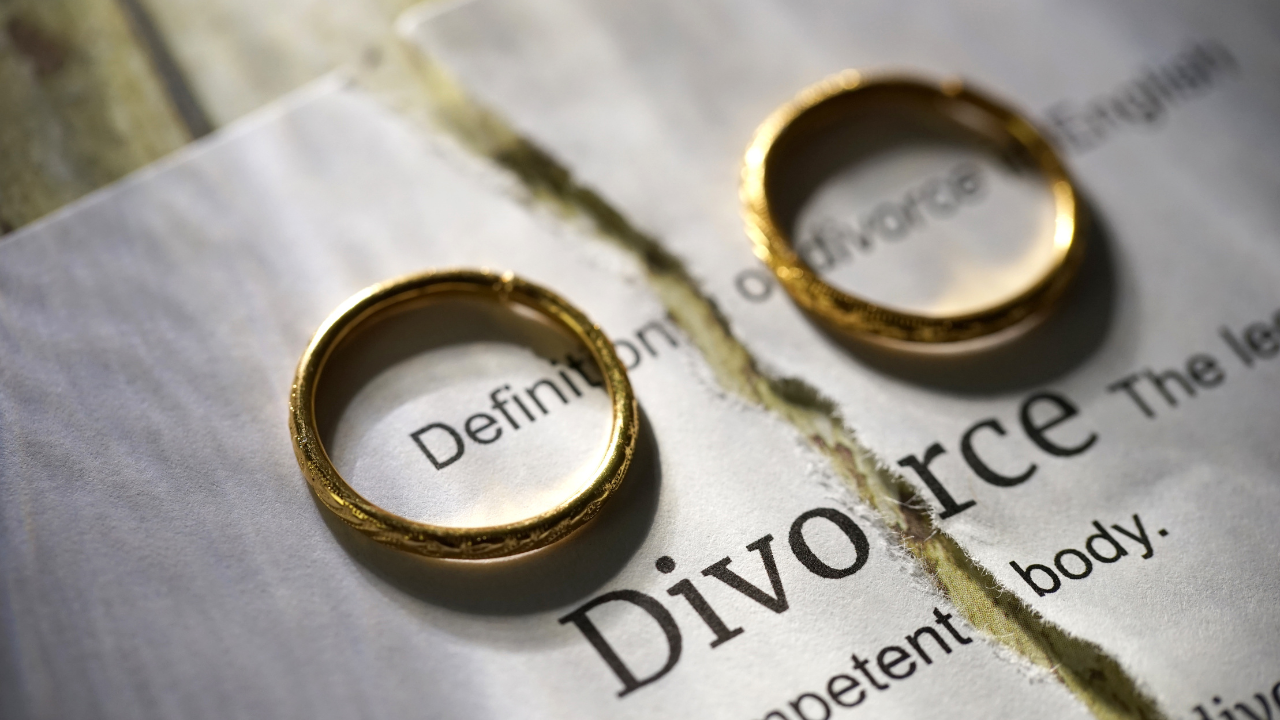
Marriages ending in divorce in England and Wales lasted longer on average in 2025, with the median duration reaching 13 years for opposite-sex couples, according to new figures from the Office for National Statistics.
The ONS released its latest divorce and civil partnership dissolution statistics on 23 September 2026. The figures show that 105,961 legal partnerships were dissolved in England and Wales during 2025, comprising 105,002 divorces and 959 civil partnership dissolutions. The total was broadly similar to the figures for 2023 and 2024 but remained below the levels recorded during the 1980s, 1990s and early 2000s.
For opposite-sex couples, the median length of a marriage ending in divorce was 13.0 years in 2025. The ONS said this was the longest recorded since its time series began in 1963. The median duration has generally increased since reaching a low of 8.9 years in 1985.
The figures also showed record durations for same-sex civil partnerships. The median period before dissolution was 13.7 years for male couples and 13.6 years for female couples. Among same-sex marriages, the median duration before divorce was 7.5 years for male couples and 6.6 years for female couples.
The ONS found that more recent marriage cohorts have also been less likely to divorce during their first decade of marriage. An estimated 16.3% of couples who married in 2015 had divorced before their 10th anniversary, compared with 24.7% of couples who married in 1995. Among couples who married in 1965, the equivalent figure was 9.9%.
The statistics also reflect changes introduced by the Divorce, Dissolution and Separation Act 2020. In 2025, 94.2% of all legal partnership dissolutions were granted under the legislation, which came into effect in April 2022 and introduced a minimum 20-week period between the start of proceedings and the application for a final order. It also allowed couples to apply jointly for divorce or dissolution.
Family lawyers said the longer duration of marriages could have consequences for the complexity of financial arrangements when couples separate. Longer marriages can mean that couples have accumulated property, pensions, savings and investments over a greater period, potentially creating more issues to resolve when a relationship ends.
Lisa Pepper, a specialist divorce lawyer at Osbornes Law, said the figures showed a contrast between the greater accessibility of divorce and the increasing length of marriages before divorce. She suggested that financial pressures could be one factor discouraging some couples from separating.
Julian Ribet, partner and founder of Ribet Myles, said the figures suggested that early divorce had become less common among more recent marriage cohorts. He also pointed to the greater number of financial interests that may need to be considered when couples who have been married for many years separate.
Samantha Woodham, a barrister at 4PB, said the introduction of no-fault divorce had simplified the process of ending a marriage but had not removed the separate issues involved in dividing finances and establishing financial security after separation.
The ONS figures also show that the divorce rate for opposite-sex marriages was 8.4 per 1,000 married people in 2025. For same-sex marriages, the rate was 19.5 per 1,000. The ONS cautioned that the same-sex rate is subject to greater variability because the underlying population is considerably smaller.
The statistics are based on records supplied by HM Courts and Tribunals Service and population estimates by marital status produced using Labour Force Survey data. The ONS classifies the figures as accredited official statistics.
The latest figures provide a longer-term picture of changing divorce patterns in England and Wales, with marriages ending in divorce generally lasting longer than in previous decades while the number of annual legal partnership dissolutions remains well below the levels recorded at the end of the 20th century.