A senior UK judge has urged expert witnesses to disclose their use of artificial intelligence (AI) when preparing evidence for court proceedings, warning that failing to do so could lead to increased scrutiny during cross-examination.
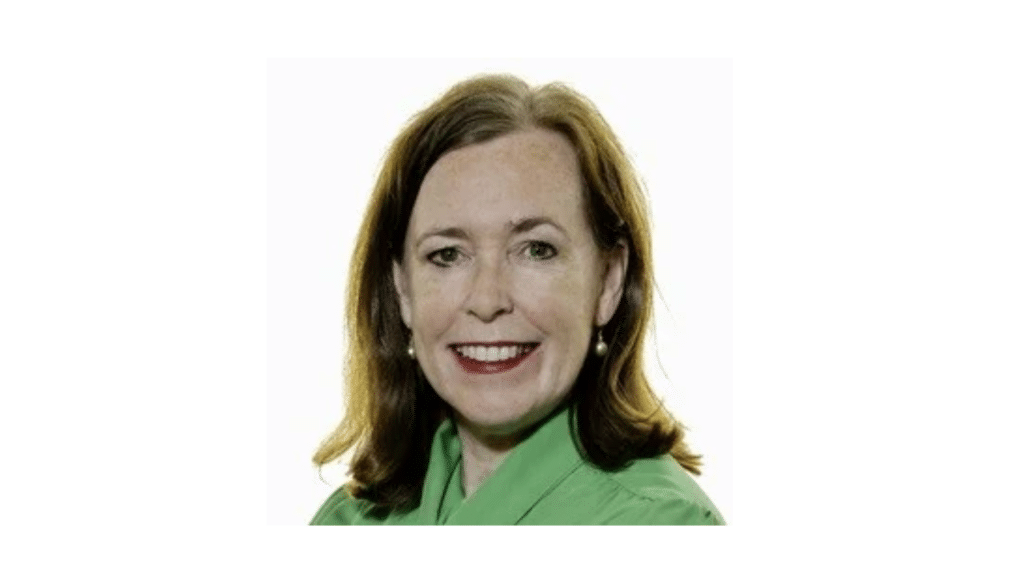
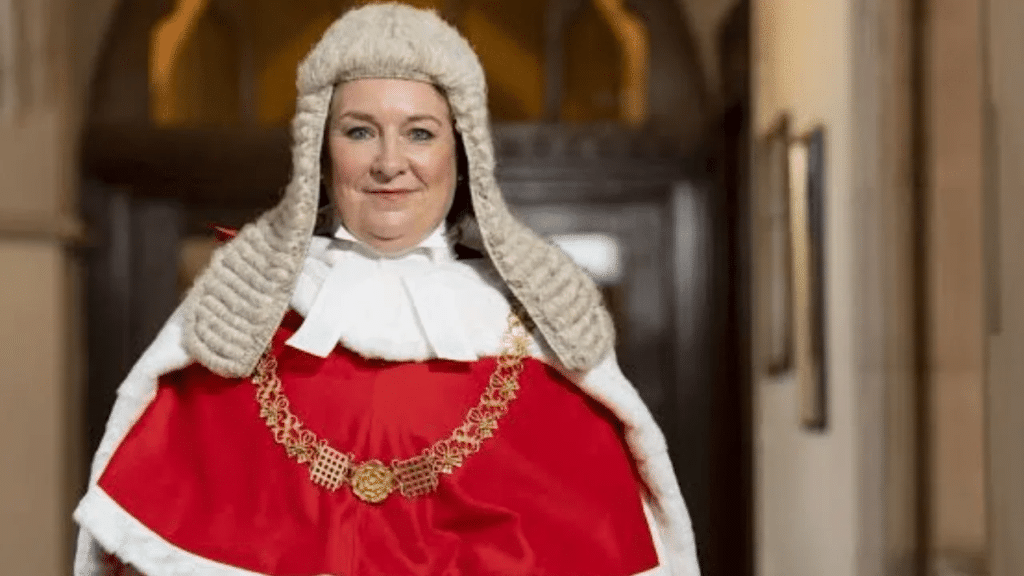
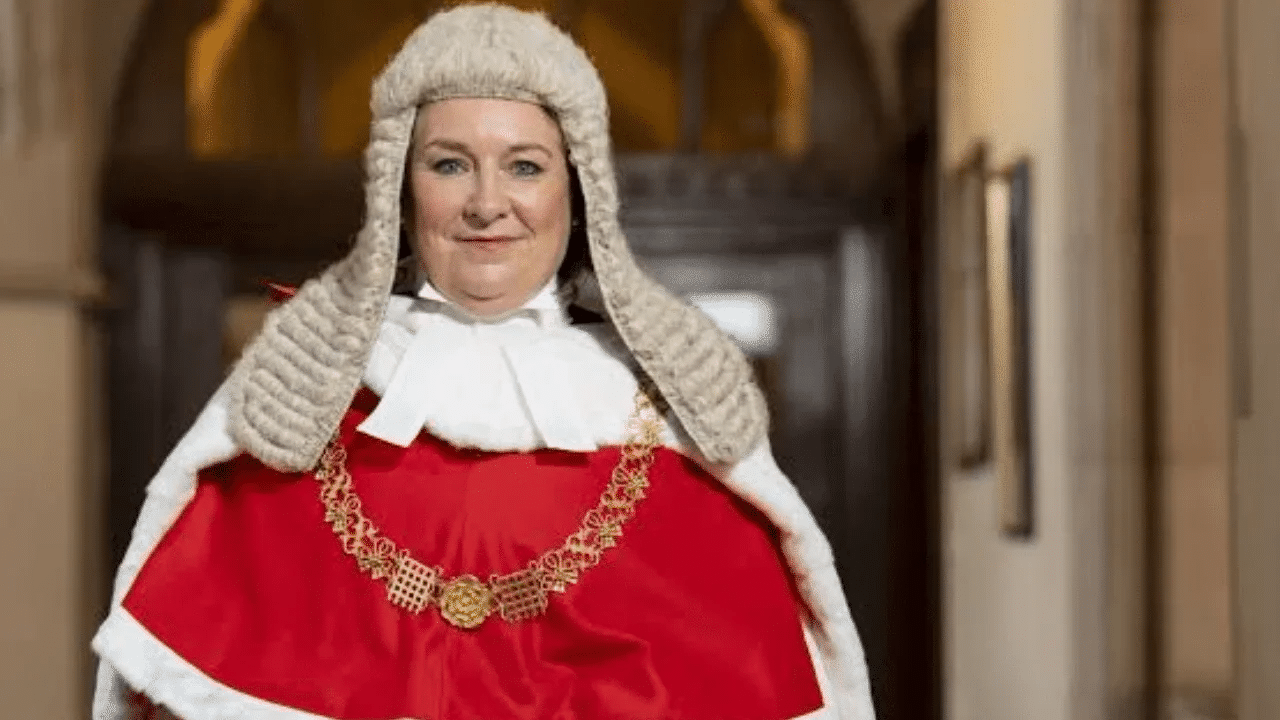
Mrs Justice Joanna Smith delivered the warning at the Bond Solon Expert Witness Conference, where she highlighted the importance of transparency when AI tools are used to prepare or influence expert reports. Her comments come ahead of proposed changes to civil justice guidance that could introduce specific disclosure requirements for experts using AI.
The recommendations form part of a recent report published by the Civil Justice Council (CJC), which examined the growing use of artificial intelligence in preparing court documents. The report proposed introducing a requirement for expert witnesses to declare their use of AI where the technology has generated or influenced the substantive content of their reports.
Under the proposed approach, declarations would need to provide sufficient information to allow solicitors and the court to assess how AI contributed to the expert’s evidence. Depending on the circumstances, this could include details of the methodology used, whether the technology was appropriate for the task and, in certain cases, the specific AI tool involved.
Although the proposed requirement has not yet become part of the formal court rules, Mrs Justice Smith encouraged experts to adopt transparent disclosure practices without waiting for the changes to take effect. She warned that undisclosed AI use could become a subject of detailed questioning during cross-examination and potentially expose experts to criticism.
The judge also emphasised that the increasing availability of AI does not alter the fundamental responsibilities of expert witnesses. Their duties of independence, objectivity, transparency and professional competence remain essential to maintaining the reliability of expert evidence presented to the court.
She raised concerns that excessive reliance on AI could weaken independent professional judgement, particularly where experts begin relying on technology to formulate opinions rather than applying their own knowledge and expertise. Other risks include inadequate training, limited understanding of AI capabilities and insufficient human oversight.
Mrs Justice Smith also encouraged experts to consider the practical implications of AI before using it in their work. This includes checking whether their instructions permit AI use and identifying any restrictions arising from intellectual property rights, data protection obligations or regulatory requirements.
She further recommended that experts discuss their intended use of AI with instructing solicitors at an early stage, even where the instructions do not specifically address the issue.
The developments highlight the growing importance of responsible AI use within the UK legal system. As artificial intelligence becomes more widely adopted in legal and professional work, expert witnesses will need to balance technological efficiency with their existing obligations to provide independent, accurate and reliable evidence to the court.