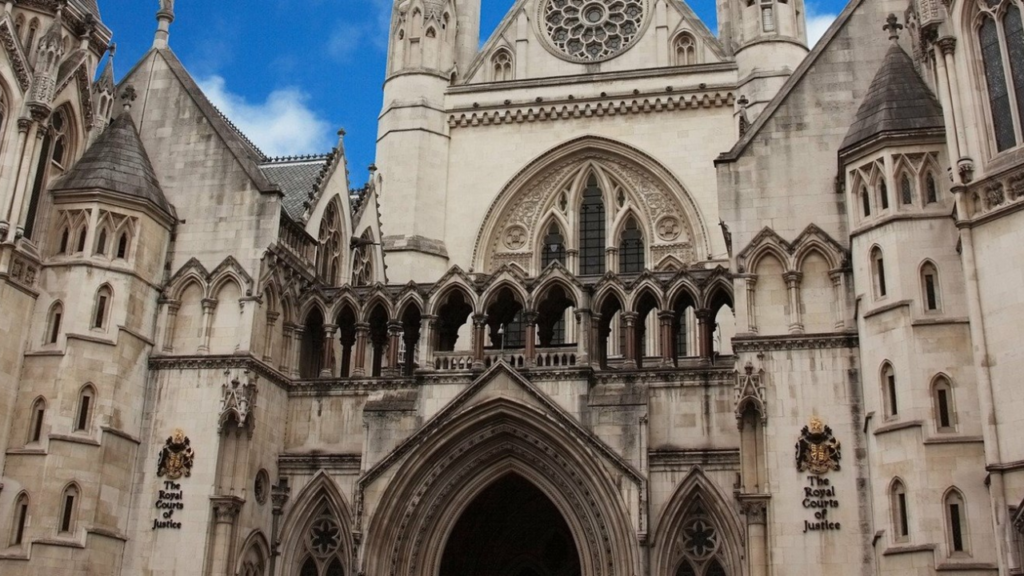

Hundreds of former rugby players pursuing brain injury claims have secured a significant procedural victory after the High Court refused applications to strike out their cases, allowing one of the UK’s largest sports-related group actions to continue despite repeated failures to comply with court orders.
The litigation, Hughes & Others v World Rugby Limited & Others, involves around 1,000 former players from rugby union and rugby league who allege that repeated head impacts during matches and training caused concussions and long-term neurological injuries, including permanent brain damage. The defendants deny liability and maintain that appropriate steps were taken over the years to reduce the risk of neurological harm within the sport.
In a judgment delivered on 21 August 2026, Senior Master Cook granted the claimants relief from sanctions, concluding that it was in the interests of justice for the claims to proceed. Although the court accepted that numerous disclosure deadlines and procedural obligations had been missed, it found that ending the litigation altogether would unfairly penalise the individual claimants, many of whom had no responsibility for the procedural failures.
The ruling was accompanied by strong criticism of the claimants’ former solicitor, Richard Boardman, and his firm Rylands Garth, which has now ceased acting in the proceedings. The court expressed serious concerns about the firm’s handling of the complex litigation, noting repeated failures to comply with disclosure orders and questioning its ability to manage a case of such scale. Senior Master Cook stated that he had confidence in the defendants’ evidence regarding the procedural history but could not place the same confidence in the evidence provided by the former solicitor.
During the hearing, the court was informed that specialist litigation firm KP Law had taken over representation of the claimant group. Leigh Day will continue assisting the litigation in a consultancy role, although it has not formally come on the court record. The appointment of a new legal team with greater resources was considered an important factor in the court’s decision to allow the proceedings to continue.
The court also heard that hundreds of claimants had yet to provide essential neurology interviews, clinical summaries and prognosis reports, creating substantial delays in the disclosure process. However, the judge concluded that these issues could still be addressed through strict case management, as the litigation remains a considerable distance from trial.
Rather than striking out the claims, the court imposed conditions requiring the claimants to meet future disclosure obligations and to pay the defendants’ costs incurred in enforcing those obligations. The judgment recognised that dismissing the proceedings would likely trigger a significant number of professional negligence claims against the former solicitors, placing additional pressure on court resources.
The decision ensures that the former players’ allegations will now proceed to the next stage of litigation, where the substantive issues surrounding liability, causation and the long-term effects of repeated head injuries in rugby will continue to be examined by the High Court.