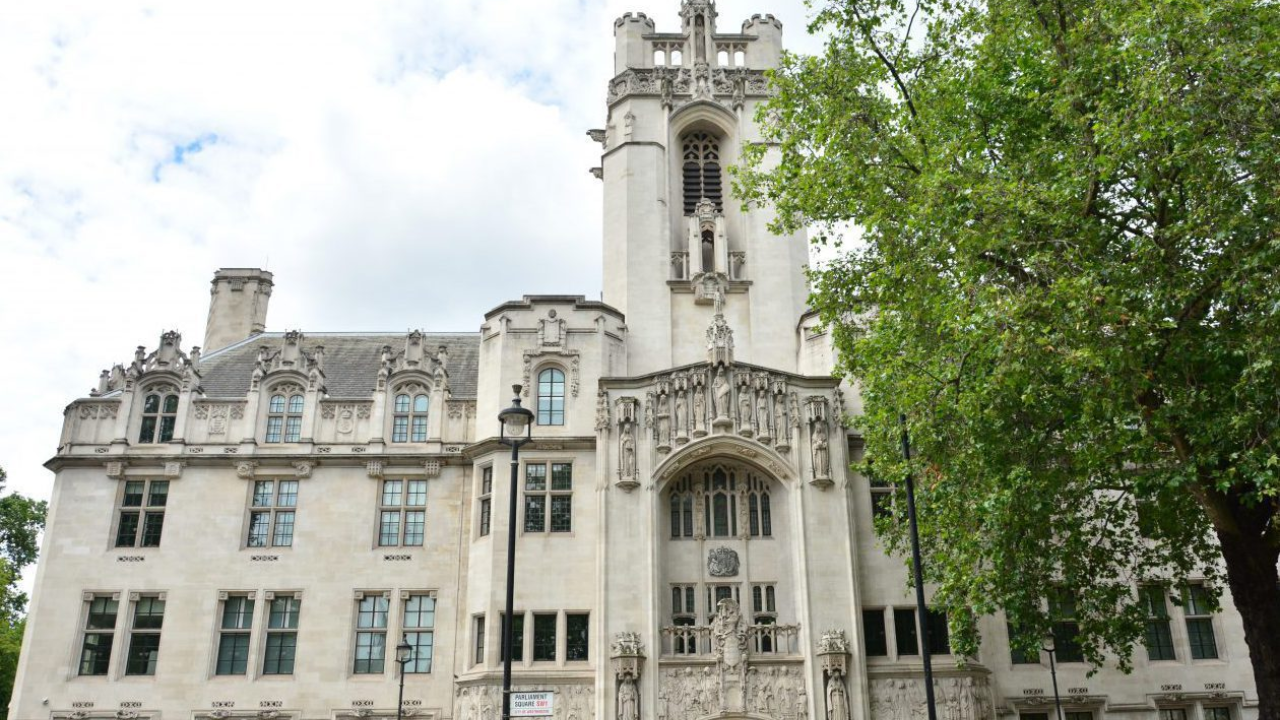
The Solicitors Regulation Authority (SRA) is seeking to take its dispute over access to legally privileged material to the Supreme Court following a High Court ruling that restricted the regulator’s powers.
The dispute concerns section 44B of the Solicitors Act 1974 and whether the SRA can require solicitors or other regulated individuals to provide documents and information covered by their clients’ legal professional privilege (LPP).
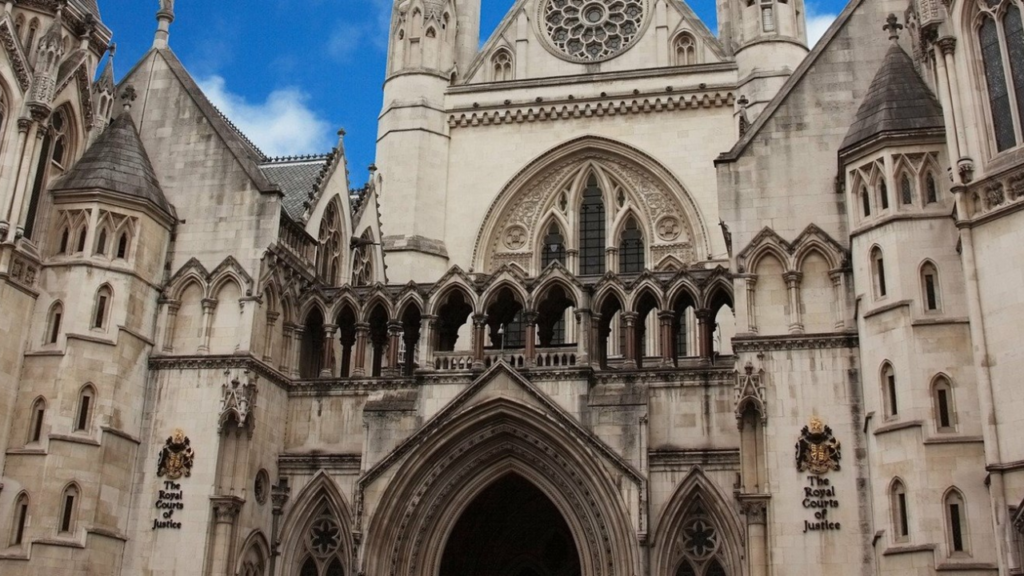
In September 2026, Mr Justice Butcher ruled in Carter-Ruck Solicitors and another v Solicitors Regulation Authority that the SRA does not have the power under section 44B to require the production of material protected by a client’s LPP where that privilege has not been waived. The judgment is publicly available from the Judiciary.
The SRA has relied on section 44B for many years when seeking information during regulatory investigations. The High Court decision therefore has potentially significant implications for how the regulator conducts investigations involving privileged material.
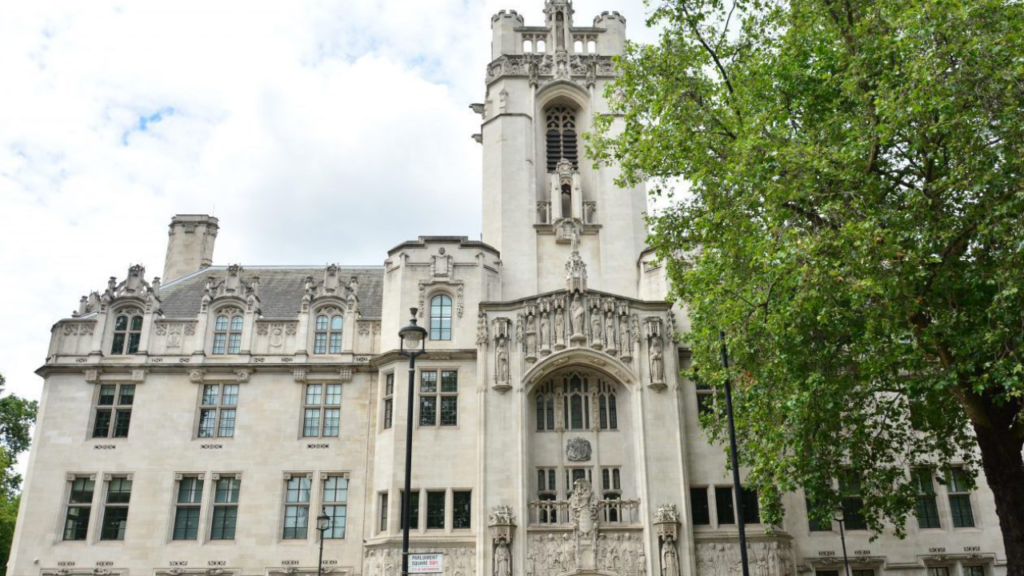
Rather than following the usual route through the Court of Appeal, the SRA has been granted a leapfrog certificate. This allows the regulator to seek permission to appeal directly from the Supreme Court, provided the court agrees to hear the case.
A leapfrog certificate can be granted where a case raises a point of law of general public importance and there are arguable grounds for an appeal. The SRA must now apply directly to the Supreme Court for permission. If permission is refused, the regulator may then seek to pursue an appeal through the Court of Appeal.
The dispute stems from an SRA investigation that began in 2023 into the conduct of defamation firm Carter-Ruck while it was acting for businessman Mohamed Amersi.
Amersi had instructed Carter-Ruck in defamation proceedings against former MP Charlotte Leslie. The claim was dismissed by the High Court in June 2023, with the Court of Appeal subsequently refusing permission to appeal.
Following the proceedings, the SRA investigated Carter-Ruck’s conduct. The firm and Amersi challenged the regulator’s position on whether section 44B allowed it to require the production of documents covered by legal professional privilege.
Carter-Ruck sought a declaration that the SRA did not have such a power, while the regulator argued that section 44B provided a statutory basis for requiring privileged material in appropriate circumstances.
The SRA’s position was that the legislation effectively overrides the client’s legal professional privilege. Carter-Ruck and Amersi disputed that interpretation, arguing that the statutory provision did not contain sufficient wording to override the fundamental protection afforded by LPP.
The High Court ultimately accepted the position that the SRA could not use section 44B to require production of material protected by unwaived client privilege. The judgment also considered whether restricting the regulator’s access to such material would prevent it from effectively carrying out its statutory functions.
The forthcoming Supreme Court application could therefore provide important clarification on the relationship between regulatory investigations and legal professional privilege.
The SRA has said it hopes the Supreme Court will consider the issue urgently because of its importance to the regulation of the solicitors’ profession. A date for the permission hearing has not yet been listed.