Fair Civil Justice (FCJ) has called for restrictions on advertising that promotes ‘no win, no fee’ legal claims, following the collapse of claims firm SSB Law and the financial difficulties experienced by some of its former clients.
The campaign group has raised concerns about the risks consumers may face when entering compensation agreements without fully understanding their potential financial responsibilities. Its campaign was launched at a screening of a film titled False Promises at Westminster, hosted by Labour MP Oliver Ryan.
The film highlights the experiences of residents in Burnley who had cavity wall insulation installed in their homes through a government-backed scheme. According to the campaign group, the installations resulted in damp and mould problems, prompting affected homeowners to seek compensation.
SSB Law subsequently approached residents and offered to pursue claims on a ‘no win, no fee’ basis. However, the firm entered administration in January 2024, leaving the claims discontinued. Some homeowners were then pursued for the opposing parties’ legal costs, with reported liabilities reaching as much as £70,000 in certain cases.
Fair Civil Justice argues that similar advertising messages are used to attract consumers to compensation claims across the country. The organisation, which campaigns against collective redress, believes that the financial risks associated with such arrangements need to be explained more clearly before consumers agree to proceed.
Labour MP Oliver Ryan said residents had initially sought assistance to resolve problems with their homes but were subsequently exposed to potentially substantial legal bills. He said the parliamentary screening was intended to bring their experiences to wider attention and help prevent other families from facing similar circumstances.
FCJ is calling for a ban on law firms and claims management companies using the phrase ‘no win, no fee’ in advertisements promoting consumer claims. It also wants consumers to receive clear information about possible costs and financial liabilities, regardless of whether their claims succeed or fail.
The group maintains that advertising should provide an accurate explanation of the financial risks involved rather than relying on reassuring slogans that could create an incomplete impression of the agreement.
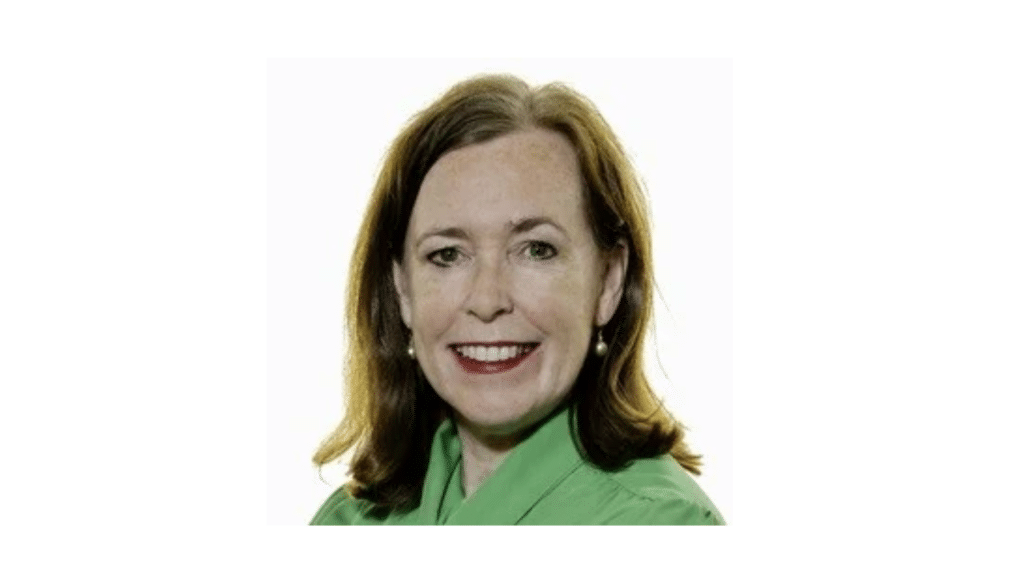
Seema Kennedy OBE, executive director of Fair Civil Justice, said the phrase could give consumers the impression that pursuing a claim carried no financial risk. She pointed to the experiences featured in the film, where some families faced demands for substantial legal costs despite initially being told they would not have to pay if their claims were unsuccessful.
Kennedy called on the government and regulators to take action to address what the organisation considers misleading advertising practices. She stressed that people seeking legal assistance should understand their potential financial obligations before signing an agreement.
The campaign has renewed attention on the importance of transparency in legal services advertising, particularly where compensation claims involve funding arrangements that may expose consumers to financial risks.