The Courts and Tribunals Judiciary has launched a consultation on proposals to reduce the size of tribunal panels and make greater use of judges sitting alone, as the tribunal caseload continues to rise.
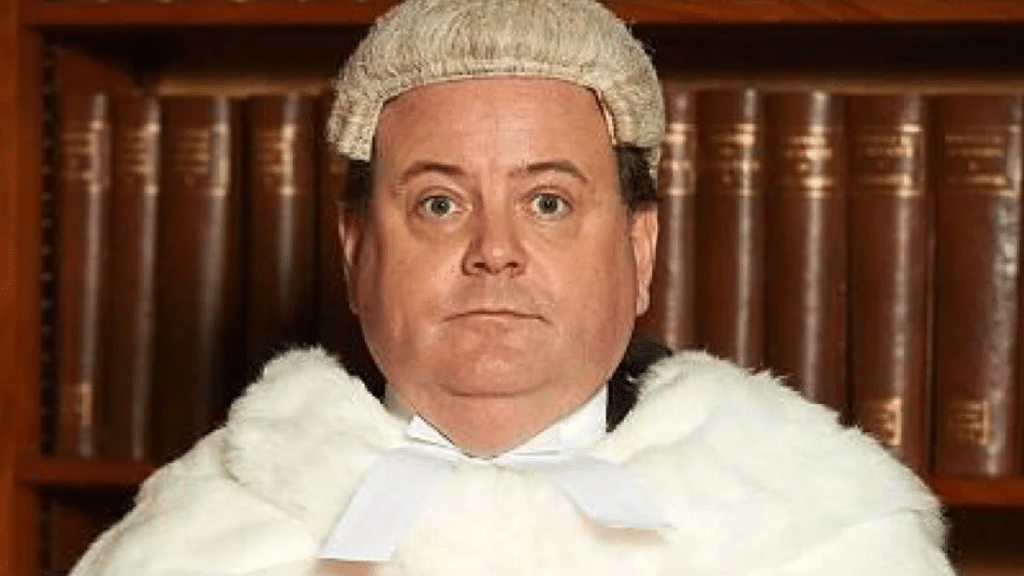
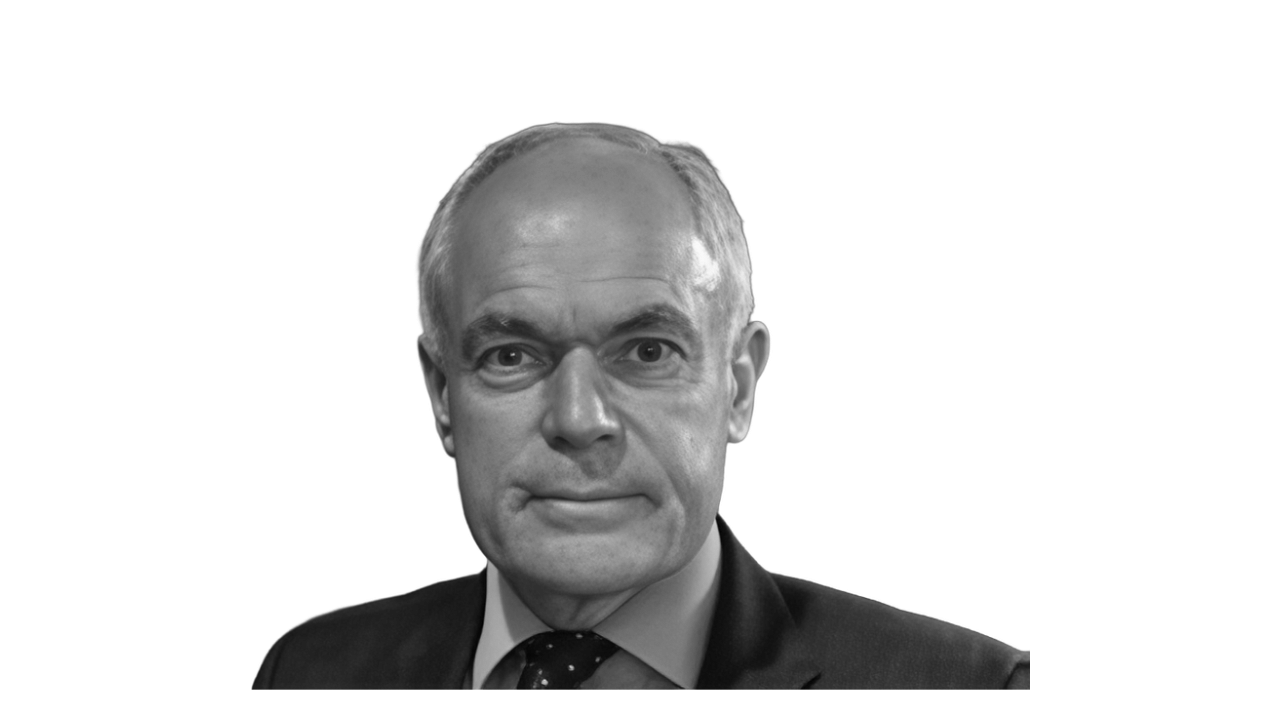
Lord Justice Dingemans, Senior President of Tribunals, has opened a 10-week consultation seeking views from judicial office holders and other interested parties. The review will consider whether tribunal members could be deployed more selectively to improve the timeliness and effectiveness of proceedings.
Among the proposals is the possibility of allowing certain cases currently heard by panels to be decided by a single judge. The consultation will also examine whether smaller panels could be appropriate in particular types of dispute. The availability of specialist members has been identified as one factor that can contribute to delays.
The review comes amid growing pressure on the tribunal system. The open caseload reached 887,000 cases at the end of June 2026, representing a 16% increase compared with the same period a year earlier.
Tribunal members are generally non-legally qualified individuals who bring specialist knowledge or experience to proceedings. They sit alongside tribunal judges, helping to examine evidence, ask questions and contribute to decisions.
Dingemans has emphasised that the proposals are not intended to remove the role of tribunal members altogether. Instead, the consultation seeks views on whether their expertise could be more closely targeted towards cases where it is most needed.
The review covers several jurisdictions, including the Mental Health Tribunal, the Social Security and Child Support Tribunal, the General Regulatory Chamber, the Tax Chamber and the War Pensions and Armed Forces Compensation Chamber. It will also consider the Administrative Appeals Chamber of the Upper Tribunal.
The consultation asks whether some cases could be dealt with by smaller panels and whether particular disputes would be suitable for determination by a judge sitting alone. In the Tax Chamber, the proposals specifically consider whether certain appeals could be decided without a panel.
Other issues include the circumstances in which specialist expertise remains necessary, safeguarding considerations and the potential effect of changes to panel composition on the time taken to deliver justice.
Any proposals requiring a new or amended Practice Direction would need to be developed by the Senior President of Tribunals following consultation with the Lord Chancellor. Such changes would not be introduced before April 2027. Other adjustments may be taken forward through existing judicial or chamber arrangements.
The consultation follows earlier reviews in 2020 and 2022, when the Senior President of Tribunals sought views on panel composition across several chambers. Those discussions considered experience gained during the Covid-19 pandemic, when some cases were temporarily heard by judges sitting alone.
The latest review reflects wider changes in tribunal working practices, case types and the justice system. The consultation will help determine whether a more targeted approach to using tribunal members could improve efficiency while retaining specialist input where it is required.
No final decision has been made. The consultation is intended to gather evidence and views before any changes to tribunal panel arrangements are considered.