Lawyers have been urged to make written submissions and other key court documents more accessible to journalists, as a senior judge warns that a lack of transparency risks creating the impression of secret justice.
Mr Justice Nicklin, who leads the judiciary’s work on transparency and openness, made the comments at a recent Bar conference. He called on barristers to take a more open approach to sharing documents used in court proceedings, including skeleton arguments and witness statements.
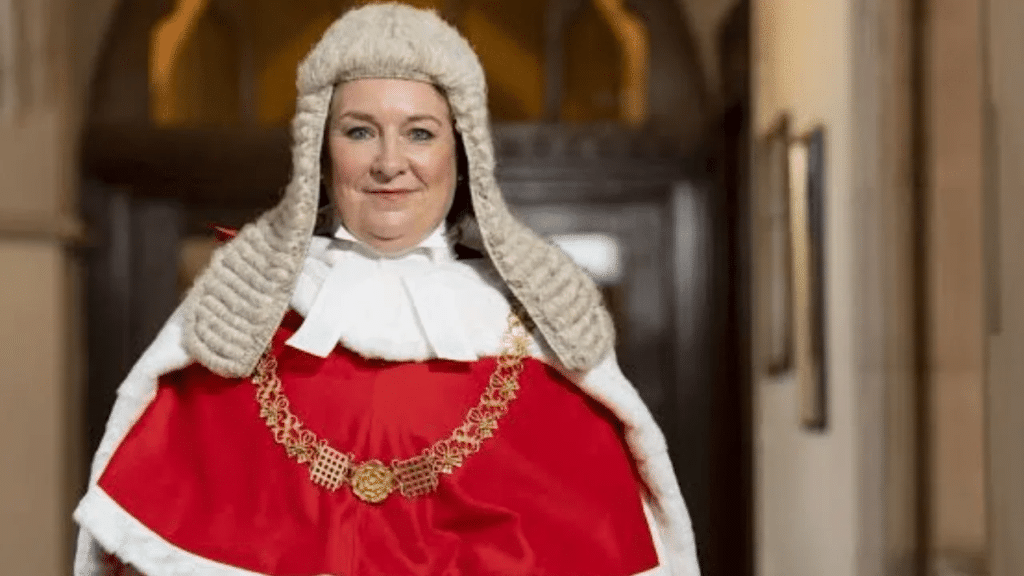
Nicklin was appointed by the Lady Chief Justice, Baroness Carr of Walton-on-the-Hill, to chair the judiciary’s Transparency and Open Justice Board two years ago. He said that written submissions should be made available to reporters so the public can better understand the arguments and evidence considered by the courts.
The judge warned that failing to provide journalists with access to such material could undermine the principle of open justice and make proceedings appear to be conducted behind closed doors.
Lucy Reed KC, a family law specialist and founder of the Transparency Project, also addressed the conference. She observed that some barristers remained reluctant to engage with journalists. Both speakers recognised that the growth of social media had introduced additional challenges, particularly where online commentators were unfamiliar with contempt of court restrictions and other legal reporting requirements.
Nicklin identified transparency within the Administrative Court as an area requiring further improvement. The court deals with judicial review claims and other public law matters. He explained that the lack of openness was not the result of a deliberate attempt to conceal proceedings, but that some parts of the High Court had been slower to replace traditional paper-based processes with more accessible digital systems.
The judge also outlined several initiatives being developed by the Transparency and Open Justice Board to improve public access to court information.
One initiative involved an access-to-core-documents pilot in the civil division of the Court of Appeal. Initially conducted last year, the scheme was relaunched in February for a further 12 months. Its purpose is to demonstrate how greater access to court documents can be introduced while maintaining appropriate safeguards.
Under the pilot, the starting position is that relevant documents should be made publicly available unless a party raises an objection that is supported by a judge.
A separate initiative was introduced in the Commercial Court last January to improve access to important case materials. Under this scheme, parties are required to upload key documents, including skeleton arguments, witness statements and expert reports, to the digital case management system.
The expansion of broadcasting in court proceedings was another area highlighted by Nicklin. Following the introduction of broadcasts of certain Court of Appeal hearings and Crown Court sentencing proceedings, work was underway to extend broadcasting arrangements to the Administrative Court.
Parliamentary approval for the proposed extension was expected early the following year, according to the judge.
The developments form part of wider efforts by the judiciary to strengthen open justice, improve public understanding of court proceedings and make important legal documents more accessible to journalists and the public.